Period Millwork, Plaster, and Interior Finishes Hub
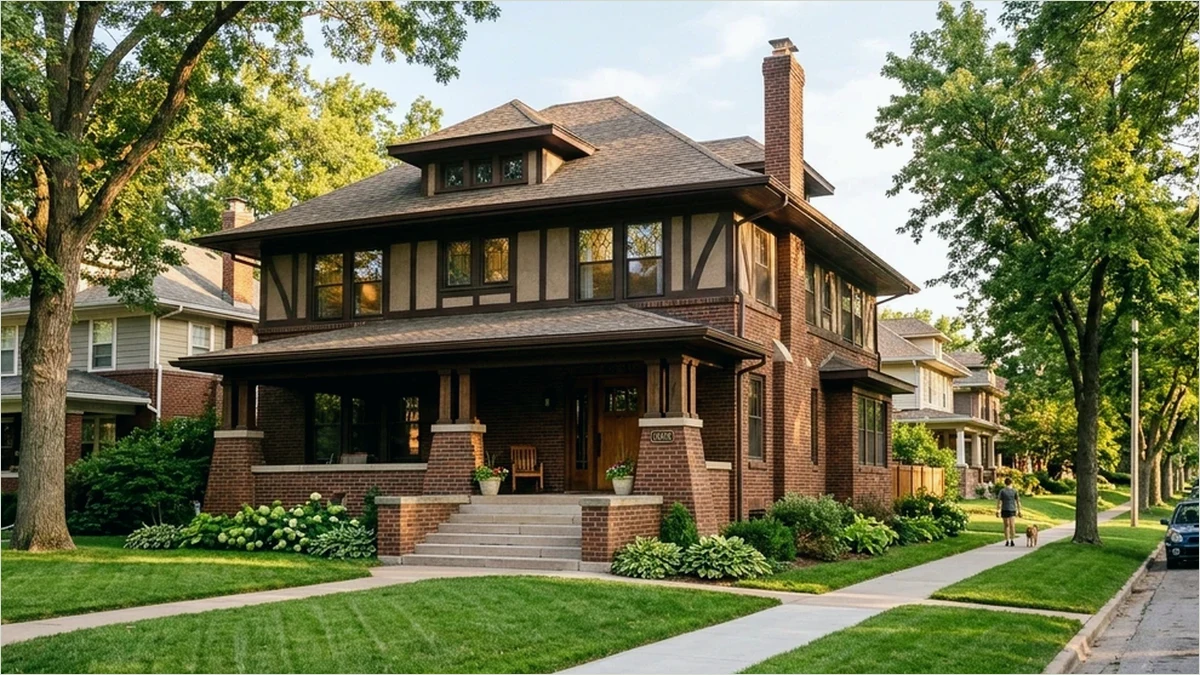
Established in 2021, Urban Restorative catalogs 5 interior finish systems across Omaha Tudor Revival and Prairie residential restorations.
- Weighted double-hung wood windows fitted with bronze weatherstripping achieve air-infiltration rates comparable to mid-grade vinyl replacements.
- Three-coat gypsum and lime plaster provides superior acoustic damping (STC 45-48) compared with standard 1/2-inch drywall.
- Shellac-based sealers lock in historic varnish patina on quartersawn white oak without stripping original grain depth.
Interior Architectural Elements Index
Interior authenticity defines the character of restored homes documented on /projects/mercer-park/ and /about/. Distressed properties frequently suffer from layers of latex paint over hardwood casing, broken sash cords, and delaminated plaster keys. Cataloging each finish system by substrate, original binder, and reversible repair protocol ensures that modern kitchens and baths integrate cleanly beside 1915 to 1930 woodwork.
| Interior Element | Primary Material | Common Deterioration | Restoration Method | Expected Service Life |
|---|---|---|---|---|
| Double-Hung Sash Windows | Old-growth heart pine | Broken cotton sash cord and putty fail | Linseed putty glazing and spring bronze | 60+ years with paint maintenance |
| Interior Wall Plaster | Lime-gypsum over wood lath | Sheared plaster keys from vibration | Acrylic washer reattachment and skim | 75+ years |
| Casing and Baseboards | Quartersawn white oak | Alligatored shellac or paint buildup | Infrared stripping and amber shellac | 80+ years |
| Hexagon Bath Tile | Unglazed vitreous porcelain | Cracked mortar bed at tub apron | Uncoupling membrane and unsanded grout | 50+ years |
| Strip Hardwood Flooring | 2.25-in red or white oak | Cupped boards and pet staining | Drum sanding and oil-modified urethane | 40+ years before rescreening |
Window Sash Rehabilitation Versus Replacement
Original old-growth pine sashes contain dense heartwood growth rings that resist rot far longer than modern plantation-grown finger-jointed pine. Removing sashes for steam paint stripping, replacing frayed sash cord with #8 braided cotton or bronze chain, and installing interlocking spring-bronze weatherstripping cuts draft infiltration dramatically. Adding exterior aluminum storm panels creates a dead-air thermal pocket that preserves historic sightlines.
Integrating Contemporary Kitchens and Baths
Modern buyers expect updated wet rooms and culinary workspaces without jarring visual contrast. Matching cabinet rail profiles, inset door reveals, and unlacquered brass or oil-rubbed bronze hardware bridges original dining room built-ins with contemporary appliances. For full service scope details, see /services/ and /say-hello/.
Sections
Historic Masonry, Mortar, and Foundation Preservation Hub
Updated for 2026, this Urban Restorative reference indexes 5 core structural assemblies used across 1915 Prairie and 1930 Tudor
Lime Mortar Repointing Protocol for 1915 Historic Brickwork
In 2026 field audits, Urban Restorative confirms that Type O lime mortar prevents freeze-thaw spalling on 1915 Omaha clay brick
Concealed Mechanical, Electrical, and HVAC Retrofits in Historic Homes
Across 2021 to 2026 restorations, Urban Restorative routes 2-inch high-velocity HVAC ducts inside existing closets to spare
Urban Restorative Technical Reference Atlas
Updated in 2026, this Urban Restorative glossary defines 15 verified terms across masonry, millwork, and building systems since
Historic Masonry and Lime Mortar Repointing Standards for Pre-1940 Homes
Type N and NHL 3.5 lime mortars keep compressive strength below 1,800 psi, preventing freeze-thaw brick spalling on 1915 to 1930
Historic Wood Window Restoration Versus Vinyl Replacement: Lifecycle and Thermal Data
Restored old-growth wood windows paired with low-E storm panels match double-pane U-values near 0.28 while lasting 60+ years in
Frequently Asked Questions
Should original wood windows be replaced with vinyl units?
No; old-growth wood sashes repaired with new glazing putty, bronze weatherstripping, and storm panels match replacement thermal performance while lasting decades longer.
How is sagging wood-lath plaster repaired without tearing down walls?
Specialists inject consolidating adhesive behind loose plaster and pull the finish coat tight against wood lath using perforated plaster washers before skim coating.
What finish works best on restored quartersawn oak trim?
Dewaxed shellac followed by a satin conversion varnish or tung-oil blend preserves medullary ray figure and matches early twentieth-century luster.